About us
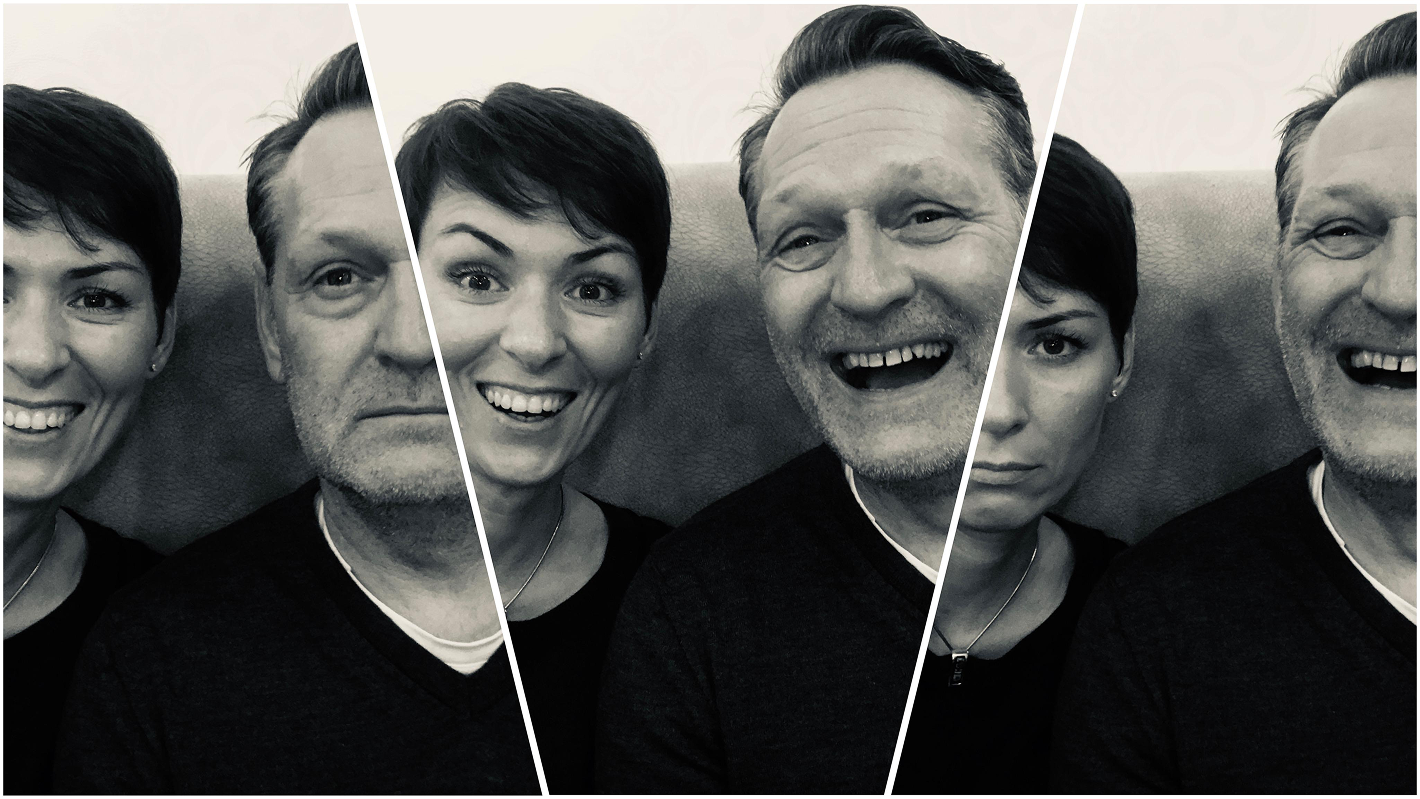
Welcome to our hidden gem in Piedmont, Acqui Terme! We are Richard and Alesia and look forward to meeting you. With my background as an interior designer, I, Richard, have ensured, with great passion and an eye for detail, that our apartments are an oasis of tranquility, style, and comfort. Every detail is perfect, so that you feel right at home immediately. Alesia brings a broad, worldly perspective and sharp organizational talent with her studies in international law. Together, we form the perfect combination to ensure your stay runs flawlessly.
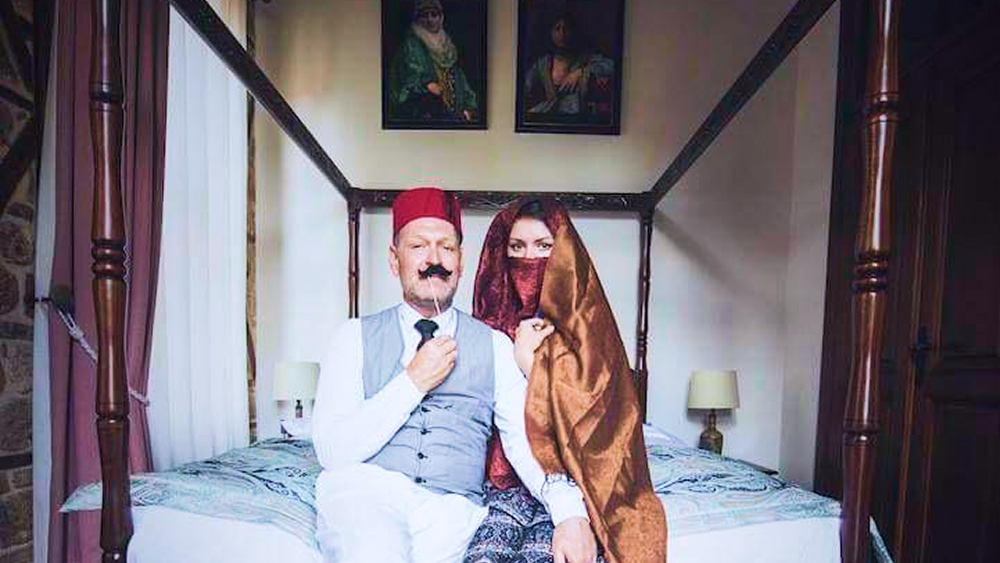
Before we lost our hearts to the beautiful, historic Piedmont, we successfully ran a hotel for no less than 10 years in sun-drenched Antalya, Turkey. There, we learned what travelers truly value: a warm welcome, genuine attention, comfort, and just that little bit of extra service.
After our Turkish adventure, we fell for the charm, the rich culture, the thermal baths, and the gastronomy of Acqui Terme. We are happy to share that passion with you. Whether you are looking for the best local winemaker, a hidden restaurant, or the most beautiful hiking trails through the vineyards, we are ready to assist you with our best insider tips. Come in, relax, and enjoy all the beauty this region has to offer. We'll take care of the rest!